
Beginning next week, in a series of AIMCLEARBlog posts, we’ll be exploring common social media user-participation models. Considering how deeply social media engagement permeates human culture, there is a remarkable lack of consensus regarding appropriate use of avatars for corporate brand ambassadors, personal and other agendas.
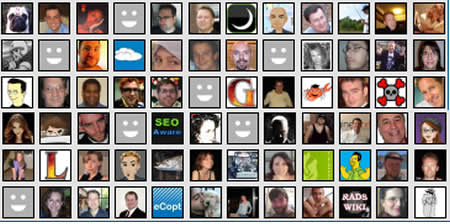
For the uninitiated, an “avatar” simply speaks to how a person, company or other group of people represent themselves online. This can include pictures & video shared, content tagged and bookmarked, friends made, votes cast, dialog, style, self-description, activity in “walled garden forums” (not indexed by Google), purpose, transparency, role and objectives, etc…
“Avatar” is a fancy way of describing the essence of a social media persona–ranging from completely fact-based and transparent representations of a real humans expressing their true identity, to malfeasant provocateurs who, sadly, roam in anonymity brutally flaming innocents or partaking in other malicious acts.
There is a white to black hat continuum, which encompass many common gray-area permutations of social media activity. Our series of upcoming posts are is not intended to endorse or embrace any particular approach. We’ll let you draw your own conclusions. Rather, our objective is to chronicle paradigms by which professional and layperson community members “participate.” We’ll take a look at what’s actually done out there in the larger world.
Since SMX Advanced (“Give it Up” Panel) and subsequently in the much maligned SEOmoz post (Tiers of Transparency: The Ethical Brand Ambassador Avatar), there’s been heightened conversation regarding what’s cool and what’s not.
Now the subject is going mainstream. In October I’ll have the pleasure of speaking at SMX East NYC, on the “What Is Ethical in Social Media Marketing” panel, with Liana Evans, Jeffrey K. Rohrs and Steve Rubelat.
In the meantime, I encourage ya’ll to do a gut check on your own practices and be totally honest with yourself, as you read through our upcoming posts highlighting common models of participation. The first article in the series will debut next week. Stay tuned.